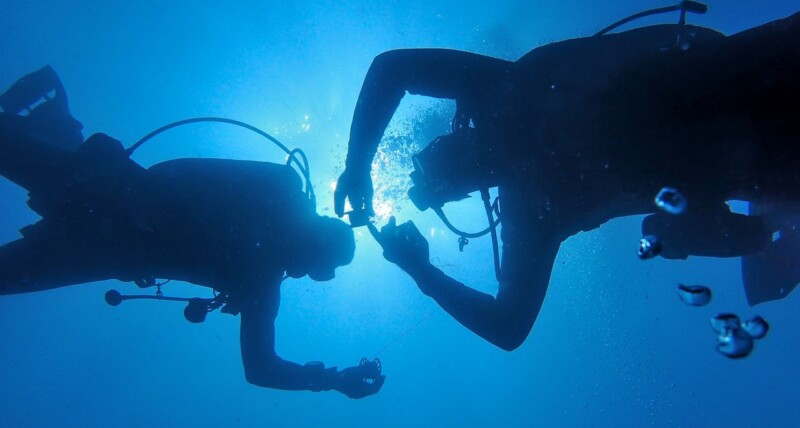
The Costa Brava changes dramatically throughout the year, and those changes are just as noticeable underwater. Water temperature, visibility, currents, and even the number of boats on the water all directly influence marine life and what you can expect to see during a dive or a snorkeling trip.
That’s why, when talking about Costa Brava marine life, it’s important to be honest. The sea never offers absolute guarantees: every dive is different, and nature follows its own rhythm. Even so, we can explain which species are most commonly seen during each season and the type of experience each time of year typically offers.
How Does Marine Life on the Costa Brava Change Throughout the Year?
The Mediterranean may appear calm and stable, but beneath the surface seasonal changes are very noticeable. Water temperatures fluctuate, some species migrate, others enter their breeding season, and visibility changes depending on the time of year. Other factors also play an important role, including:- Tourist activity.
- Boat traffic.
- Storms.
- Currents.
- The area’s biological activity.
Spring: More Marine Life and Underwater Activity
For many experienced divers, spring is one of the most exciting times of the year. After winter, the marine ecosystem enters a period of intense biological activity. More fish begin to appear, many species become increasingly active, and the seabed comes back to life.Species Commonly Seen in Spring
During this season, it is fairly common to encounter:- Schools of small fish.
- Nudibranchs.
- Cuttlefish.
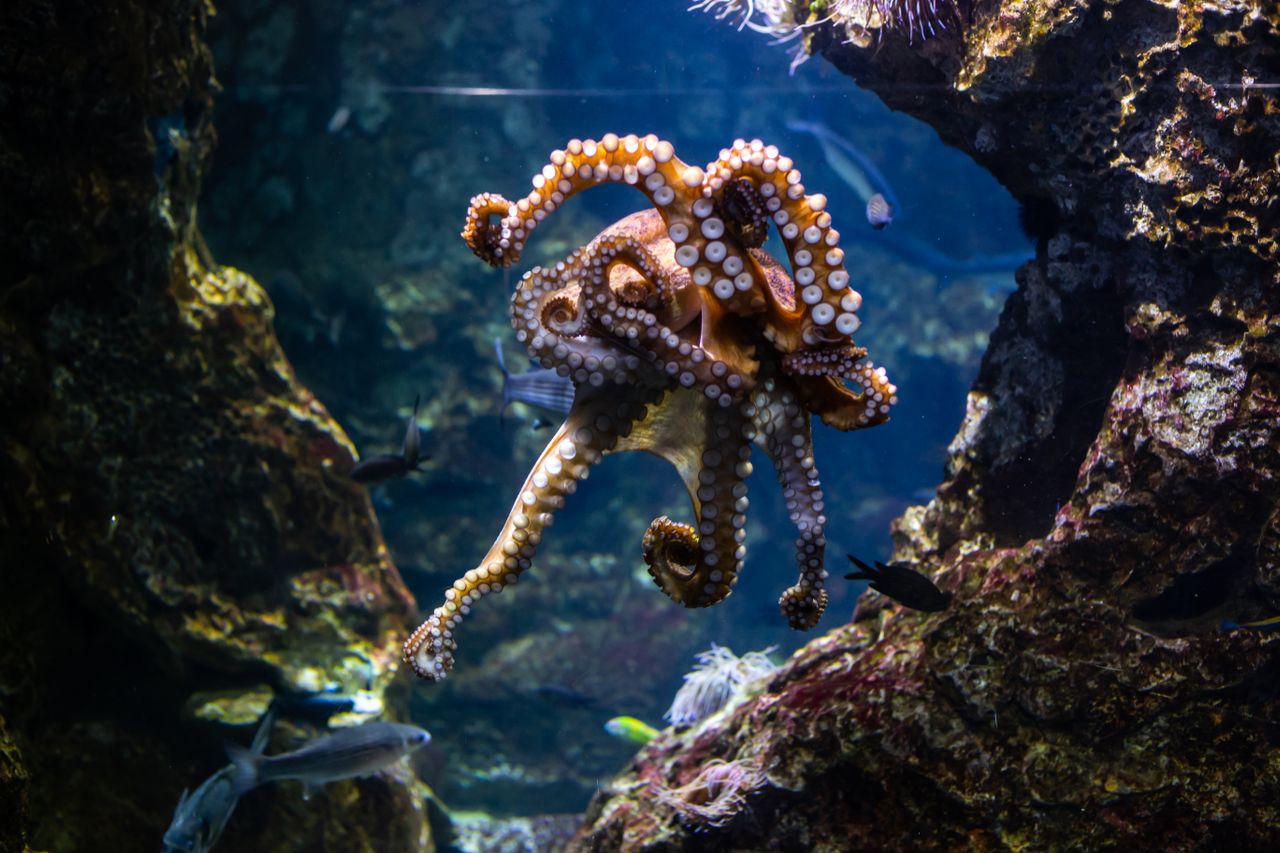
- Octopuses.
- Scorpionfish.
- Sea stars and abundant life around rocky areas.
Typical Diving Conditions in Spring
The water is still relatively cool, but visibility is usually excellent. There are also fewer boats and less crowding at dive sites. This allows divers to enjoy:- More peaceful dive sites.
- Less underwater noise.
- A stronger feeling of being immersed in nature.
- More relaxed dives.
Why Many Divers Consider Spring One of the Best Seasons
The combination of excellent visibility, increased marine activity, and fewer visitors makes spring one of the most appreciated seasons for observing Costa Brava marine life at a relaxed pace.Summer: Large Schools of Fish and Warmer Waters
Summer is the most popular season for both diving and snorkeling on the Costa Brava. The water is warmer, conditions are generally very comfortable, and the sea is suitable for beginners as well as experienced divers.Marine Life Commonly Seen in Summer
Although every dive is different, summer often offers sightings of:- White seabream.
- Gilthead seabream.
- Saddled seabream.
- Barracudas.
- Large schools of fish near walls and marine reserves.
Snorkeling and Diving During Peak Tourist Season
Summer offers excellent conditions for water activities:- Warmer water temperatures.
- Longer daylight hours.
- Comfortable snorkeling conditions.
- An easier experience for beginners.
What to Realistically Expect from a Summer Dive
Many people assume that every dive guarantees spectacular encounters. The reality is different. Some dives offer huge schools of fish and abundant activity, while others may feel much quieter. That unpredictability is actually one of the greatest attractions of the sea.Autumn: A Favorite Season Among Experienced Divers
Autumn is often considered one of the best seasons by divers who know the Costa Brava well. The water still retains much of the warmth accumulated during summer, while the coastline becomes considerably quieter.Why Autumn Offers Excellent Diving
During these months, you will often enjoy:- Fewer boats.
- Less noise.
- More peaceful dive sites.
- Pleasant water temperatures.
Typical Marine Life in Autumn
During autumn, it is relatively common to encounter:- Barracudas.
- Conger eels.
- Moray eels.
- Spiny lobsters.
- Large schools of fish.
Visibility and Sea Conditions in Autumn
When sea conditions are favorable, autumn can provide some of the best diving of the entire year, combining comfort, tranquility, and outstanding opportunities for observing marine life.Winter: The Costa Brava at Its Quietest and Wildest
Although many people associate diving exclusively with summer, winter has its own unique appeal. It is the quietest and least crowded season of the year.What Can You See Underwater in Winter?
Winter often highlights:- Resident fish species.
- Octopuses.
- Marine life hidden within cracks and walls.
- Gorgonian corals with exceptional visibility.
- Well-defined rocky seabeds.
Advantages of Diving in Winter
Many experienced divers particularly appreciate:- The peaceful atmosphere.
- The absence of crowds.
- A more natural diving experience.
- Excellent underwater visibility.
Is Winter Suitable for Every Diver?
It depends on your experience and tolerance to colder water. For experienced divers, winter can be an outstanding season. Beginners generally find spring or summer more comfortable.What Marine Life Can You See Around L’Estartit and the Medes Islands?
The area around L’Estartit and the Medes Islands is one of the best-known places on the Costa Brava for observing marine life. The combination of:- Rocky seabeds.
- Environmental protection.
- A marine reserve.
- A wide variety of habitats.
Tips for Enjoying Marine Life Without Disturbing It
- Keep your distance and maintain good buoyancy. Proper buoyancy helps protect the seabed while allowing you to observe marine animals without causing them stress.
- Never touch or chase marine animals. Many species hide or change their behavior when they feel threatened. Simply observing without interfering always creates a more natural experience.
- Move slowly and avoid unnecessary noise. Sudden movements often scare marine life away. The calmer you are, the more likely you are to witness natural behaviors.
- Respect the marine environment at all times. Avoid disturbing the sand, touching gorgonian corals, or entering small caves. These simple actions help preserve the ecosystem and minimize your impact.
- Remember that every dive is different. Part of diving’s magic lies in discovering the sea exactly as it is, without unrealistic expectations or trying to force wildlife encounters.
The Best Season Depends on the Experience You’re Looking For
There is no single “best” time to discover Costa Brava marine life. Everything depends on the type of underwater experience you want.- Spring: More biological activity and fewer people.
- Summer: Warm waters and comfortable diving conditions.
- Autumn: The perfect balance between pleasant temperatures and tranquility.
- Winter: Maximum peace and outstanding visibility.