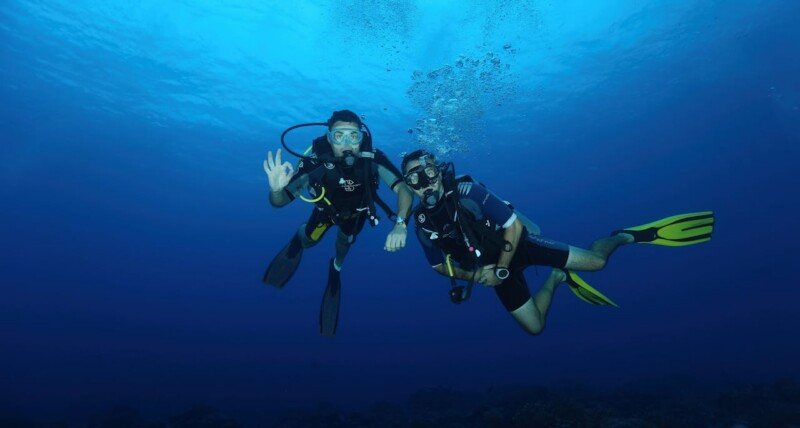
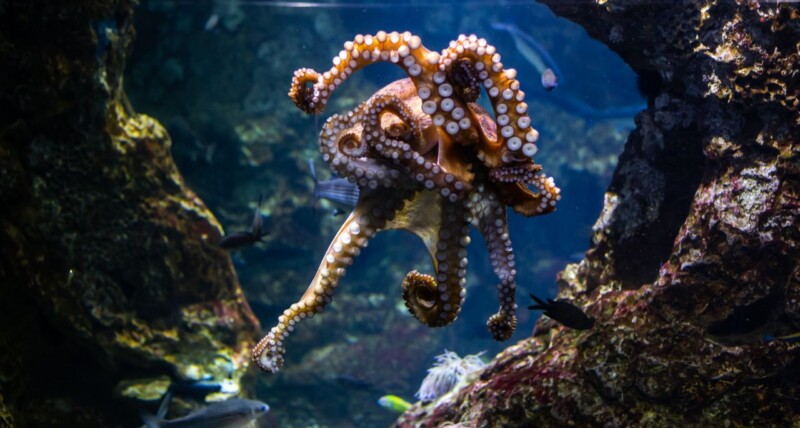
The diving experience in protected marine areas is completely different from a standard dive. When we talk about boat diving in a marine reserve, we are not simply referring to entering the water from a boat, but to being part of a well-organized system that ensures environmental conservation while providing a high-quality diving experience.
Every aspect of these trips is carefully planned, from permits to the exact dive site. But what is a trip like in practice? Here’s a step-by-step guide.
What Does It Mean to Dive in a Marine Reserve?
A marine reserve is a protected area where human activities are regulated to preserve marine ecosystems. These sites are known for their rich biodiversity, excellent visibility, and exceptionally well-preserved underwater habitats. Because these areas are protected, access is limited and carefully controlled. In many cases, the only way to dive there is through organized boat trips, allowing authorities and dive centers to manage the number of divers while minimizing environmental impact.Why Is Boat Diving the Standard Option in Protected Areas?
Shore access is often restricted or even prohibited in many marine reserves. This helps regulate visitor numbers and protect sensitive habitats such as Posidonia seagrass meadows and rocky reefs. Boat diving in a marine reserve allows you to:- Access exclusive dive sites.
- Control the number of divers at each location.
- Ensure safety through authorized dive centers.
- Reduce environmental impact.
Boat Diving Logistics in a Marine Reserve
Advance Booking and Permits
Places are limited, so booking in advance is essential. Dive centers usually handle all required permits, meaning divers simply need to meet the participation requirements.Pre-Dive Briefing
Before boarding—or during the boat ride—a dive briefing is conducted covering:- The dive site.
- The recommended route.
- The reserve’s specific regulations.
- Depth and diving conditions.
Preparing Your Equipment at the Harbor
Equipment is assembled either at the dive center or directly at the harbor. Everything is organized to make boarding easy and maximize the available space on board.Eco-Mooring Buoys: Essential for Diving in Marine Reserves
What Are Eco-Mooring Buoys?
These are permanent mooring points installed on the seabed that allow boats to secure themselves without dropping anchor.How Do They Work?
The boat is attached to the buoy using a mooring line, avoiding any direct contact between the anchor and the seabed.Why Are They So Important?
The use of eco-mooring buoys prevents damage to sensitive ecosystems such as Posidonia seagrass meadows, which play a crucial role in supporting marine life. They are one of the most important tools for sustainable diving management.What Is a Typical Boat Dive Like?
Boarding and the Boat Ride
The experience begins at the harbor. After loading the equipment, the group boards the boat and heads toward the dive site. The journey is usually short, but already offers beautiful coastal views.Arrival at the Dive Site
The boat is secured to an eco-mooring buoy. Divers perform a final equipment check before entering the water.Entering the Water
Water entry is typically performed using a giant stride or from a dive platform, depending on the type of boat.The Dive
This is where the real difference becomes clear. Marine reserves typically offer:- Greater abundance of marine life.
- Larger, more relaxed fish.
- Better-preserved underwater habitats.
- Excellent visibility.
Returning to the Boat
After the dive, everyone returns to the boat, stores their equipment, and heads back to the harbor. The return trip is often filled with conversations about the highlights of the dive.Benefits of Boat Diving in a Marine Reserve
Boat diving in a marine reserve offers many advantages:- Access to exclusive dive sites.
- Greater marine biodiversity.
- Better-preserved underwater environments.
- Fewer divers at each site.
- A more comfortable and well-organized experience.
Requirements to Join These Dive Trips
Depending on the dive site, you may need:- A minimum certification level (Open Water or higher).
- Previous diving experience (recommended).
- Valid dive insurance.
- Good buoyancy control.
Tips for Enjoying Your First Boat Dive
If this is your first boat dive, keep these recommendations in mind:- Arrive early so you can prepare everything without rushing.
- Pay close attention to the dive briefing.
- Maintain good buoyancy to avoid damaging the environment.
- If you are prone to seasickness, take precautions before boarding.
- Relax and enjoy the experience—it is truly unforgettable.