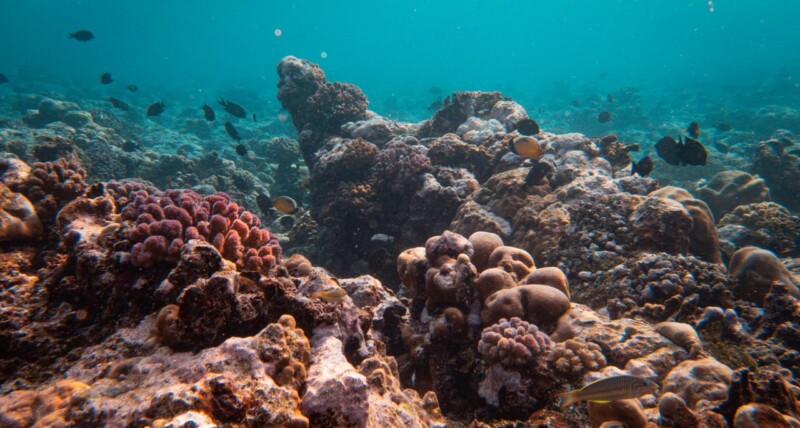
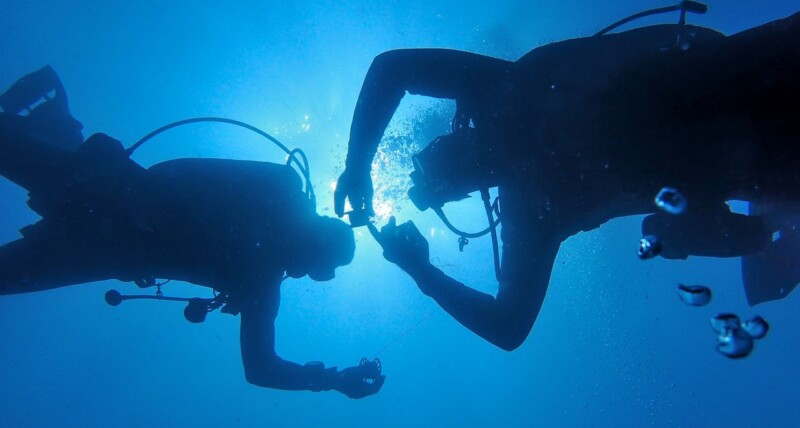
Diving in a marine reserve is one of the most spectacular experiences you can have underwater. These protected areas concentrate a much higher level of biodiversity than other areas, with well-preserved ecosystems and more abundant marine life. However, precisely because of their ecological value, they do not function like any other dive site: they require planning, advanced booking, and compliance with certain regulations.
If you are thinking about diving in a marine reserve, here you will find everything you need to know to do it correctly, avoid common mistakes, and enjoy the experience to the fullest.
What does it mean to dive in a marine reserve?
A marine reserve is a protected space where human activity is regulated to conserve the ecosystem. This implies limitations on fishing, anchoring, and, of course, diving.
Unlike other areas, diving in a marine reserve is carried out under controlled conditions, with limited quotas and usually through authorized centers. The goal is to ensure that the activity does not negatively impact the environment.
The result: cleaner waters, better visibility, and much more frequent encounters with marine fauna.
Requirements for diving in a marine reserve
Before booking, it is important to know what you need:
- Minimum certification: usually Open Water Diver or equivalent
- Previous experience: recommended, especially for guided dives
- Valid diving insurance
- Medical certificate (depending on regulations or the dive center)
- Good buoyancy control
Additionally, you must follow strict rules such as not touching the bottom or the wildlife, maintaining distance, and respecting the guide’s instructions.
How to book diving in a marine reserve step by step
Choose the right marine reserve
Not all reserves are the same. Some are geared toward beginner divers, while others require more experience. Evaluate factors such as depth, currents, and type of marine life.
Book with an authorized center
Access to most reserves is limited to dive centers with specific permits. Booking directly with one of them is essential to manage the available spots.
Confirm availability in advance
Spots are limited and fill up quickly during high season. Booking several days (or even weeks) in advance is highly recommended.
Prepare documentation and equipment
Make sure you have your certification, insurance, and documentation ready. The center usually provides the equipment, but it is best to confirm beforehand.
Attend the pre-dive briefing
Before the dive, you will receive a briefing explaining rules, the route, and safety aspects. In marine reserve diving, this step is especially important.
Key tips for enjoying diving in a marine reserve
To make the most of the experience:
- Maintain good buoyancy to avoid contact with the bottom
- Always follow the guide and respect the route
- Do not touch or feed the animals
- Monitor your air consumption to extend the dive
- Move in a slow and controlled manner
This type of diving is not just an activity, but also a way to respect and preserve the environment.
Typical mistakes when booking diving in a marine reserve (and how to avoid them)
- Booking too late: One of the most common mistakes. Spots are limited and can sell out quickly.
- Choosing a dive above your level: Not all reserves are suitable for all divers. Choose an option adapted to your experience.
- Not checking requirements or documentation: Forgetting your insurance or certification can prevent you from diving on the day.
- Thinking it is like a normal dive: Marine reserve diving has specific rules that you must know and respect.
- Not following the rules of the protected environment: Any inappropriate behavior can damage the ecosystem and ruin the experience.
When is the best time to dive in a marine reserve?
Although you can dive for much of the year, several factors influence the experience:
- Spring and summer: better conditions and greater marine activity
- High season: higher demand; booking in advance is recommended
- Sea conditions: visibility and currents can vary
Choosing the right time will make a difference in your experience.
Advantages of booking with a specialized local center
Working with a local center not only facilitates the booking but also improves the quality of the dive:
- Deep knowledge of the area
- Management of permits and quotas
- Greater safety during the activity
- Access to the best dive sites
Additionally, you ensure that you comply with all regulations without complications.
Book your marine reserve diving experience
If you want to discover one of the most spectacular marine environments in the Mediterranean, marine reserve diving is an essential choice.
At Diving Center La Sirena, we help you manage your booking easily, with expert guides, small groups, and access to some of the best dive sites on the Costa Brava.
Book in advance and get ready for a unique experience underwater.